
Let me guess: you Googled “content marketing” and got 47 articles that all said basically the same thing. “Content marketing is creating valuable content to attract and engage your audience.” Cool. Super helpful. About as useful as being told “cooking is making food people want to eat.”
Here’s what that definition misses: content marketing isn’t a thing you do. It’s a system. It’s how all your channels talk to each other, support each other, and create paths that actually lead somewhere.
Your Content Lives in an Ecosystem (Not a Vacuum)
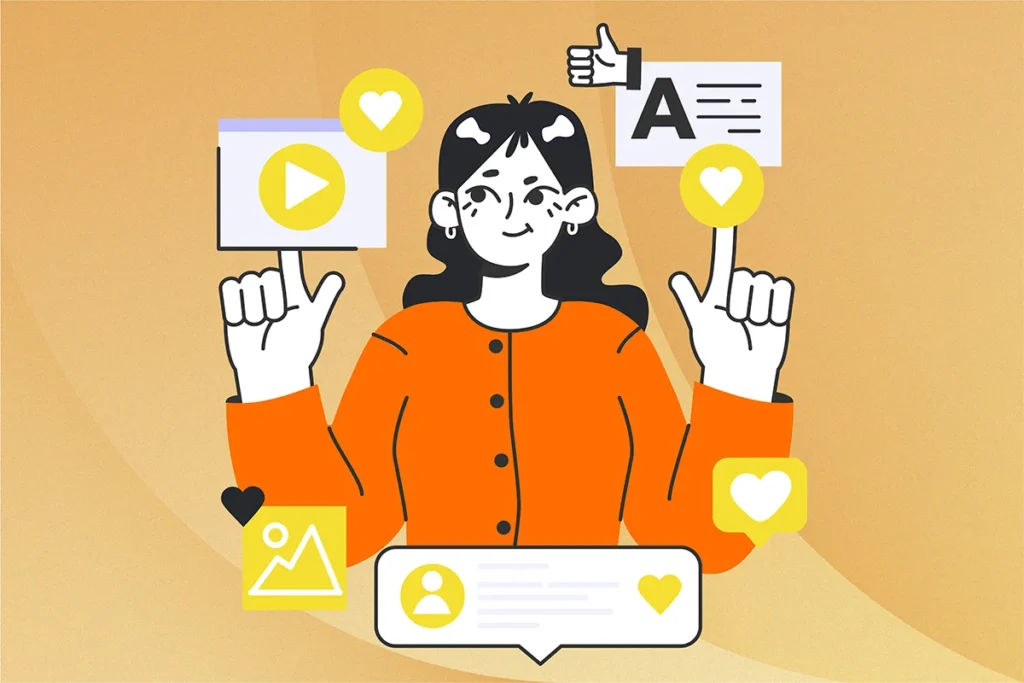
Think about your business for a second. You’ve probably got a website. Maybe some social media accounts. Perhaps you’re sending emails, running ads, or showing up in local search results.
Now here’s the question that matters: are those things connected, or are they just… existing?
Because content marketing is what happens when your blog post links to your service page, which connects to your email sequence, which reinforces what someone saw in your Instagram post, which all ladders up to the thing you actually want people to do.
It’s the ecosystem. Not the individual posts.
The Channels You’re Already Using (Just Not Together)

Most businesses treat their marketing channels like separate planets. The social media person doesn’t talk to the website person. The email campaigns have nothing to do with the blog. The paid ads send people to pages that contradict what your sales team is saying.
Content marketing is recognizing that your customer doesn’t experience those channels separately. They see your Facebook ad on Monday, visit your website on Wednesday, get your email on Friday, and decide whether you’re trustworthy based on whether those three touchpoints told the same story.
Your channels need to be in conversation with each other:
- Your blog posts should feed your email content and vice versa
- Your social media should drive people to specific pages that continue the conversation
- Your service pages should link to case studies that prove you can actually do what you claim
- Your SEO strategy should consider what people are searching for at different stages of their journey
When these channels work together, that’s when content marketing actually works.
Copy That Leads Somewhere

Here’s where most content strategies fall apart: they create content without thinking about what happens next.
You write a killer blog post about a problem your customers have. Great. Where does it send them? Just… back to your homepage? To a contact form that asks for way too much information before they’re ready? To nowhere at all?
Content marketing means every piece of content has a job. Not just “be valuable.” A real job. Like:
- This blog post establishes expertise, then sends people to a service page
- That service page proves capability, then offers a low-commitment next step
- The email sequence nurtures trust, then makes the actual pitch
- The case study removes the last objection, then makes conversion easy
The copy itself matters, obviously. But the copy that knows its role in the ecosystem matters more.
SEO Is Part of the Story (Not the Whole Story)

Let’s talk about search for a minute, because everyone gets this wrong.
SEO isn’t about gaming Google. It’s about understanding what people are actually looking for at different stages of their journey with you, then making sure you show up with the right message at the right time.
Someone searching “what is content marketing” isn’t ready to hire an agency. They’re learning. Your content needs to meet them there, answer their question better than anyone else, and give them a reason to remember you when they’re ready for the next step.
Someone searching “content marketing agency near me” is much closer to deciding. That’s a different piece of content with a different job.
Your SEO strategy and your content strategy aren’t two separate things. They’re the same thing viewed from different angles.
Interlinking Is How You Build Paths
Here’s something most people miss entirely: the links between your pages aren’t just for SEO juice. They’re how you guide people through your ecosystem.
When someone lands on your blog from Google, where should they go next? When they’re on a service page, what question are they likely to have next? When they’re reading a case study, what objection are you anticipating?
Internal linking is content strategy in action. It’s saying “if you found this helpful, here’s the next logical thing you need to know.” It’s building a path through your ecosystem instead of making people figure it out themselves.
The Customer Journey Isn’t Linear (So Your Content Can’t Be Either)
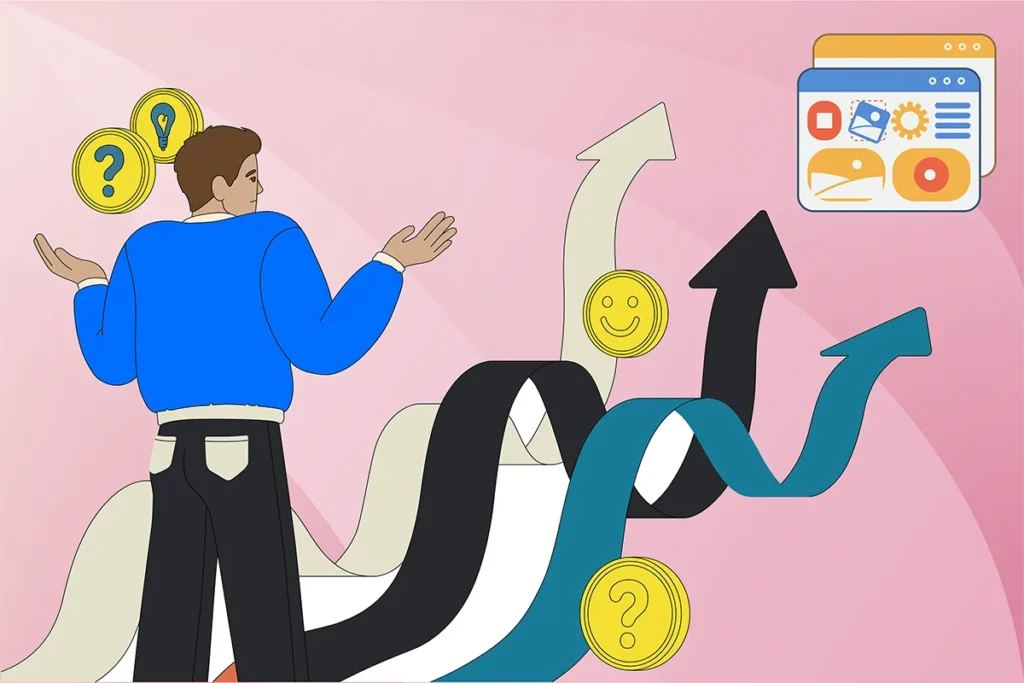
Nobody moves through your content in a straight line. They bounce around. They come back. They start in the middle. They see your Instagram post before they ever visit your website. They read three blog posts before they look at your services.
Content marketing means building an ecosystem that works no matter where someone enters or how they move through it. Every piece needs to:
- Make sense on its own
- Connect to other relevant pieces
- Move people closer to understanding what you do and why it matters
- Give them an appropriate next step based on where they are
You can’t control the journey. But you can build an ecosystem that guides people toward the outcome you both want.
This Is What We Mean by Content Marketing
So when we talk about content marketing, we’re not talking about cranking out blog posts and hoping something sticks.
We’re talking about building a connected system where:
- Every channel reinforces the others
- Every piece of content has a clear purpose
- The copy is strategic about where it sends people
- SEO and user experience work together
- The links between pages create intentional paths
- The whole thing supports the customer’s journey from “who are you?” to “let’s work together”
That’s content marketing.
And yeah, blog posts are part of it. But they’re not the whole story.
Where This Goes Next
If this feels like the piece that’s been missing in your marketing, we’re happy to talk through what it could look like for you.