
Traditional channels feel grounded. They signal effort. And for a generation that can spot automation instantly, the effort matters. So don’t shy away from traditional media, it’s making a comeback.
The Digital Hangover: When Everything Starts To Blend Together
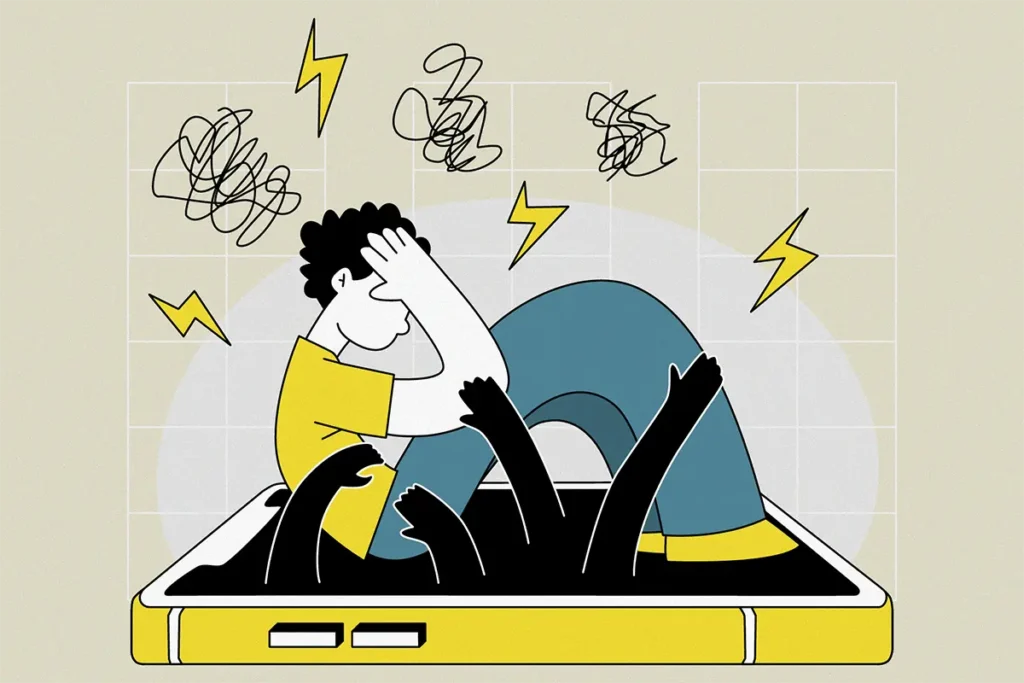
- AI written copy and imagery
- Template driven creator videos
- Predictable retargeting sequences
- Trend recycling across platforms
Younger audiences aren’t angry about digital oversaturation, but they are worn out by it. Ad fatigue is real, and constant automation has made everything feel a little too familiar. It is the same reason city dwellers eventually crave a quieter suburb. When the noise gets overwhelming, people look for something calmer and more intentional.
Traditional media gives them that break.
- A bold billboard cuts through the clutter
- A print ad feels deliberate
- A live radio endorsement feels human
It stands out because it is not built on the same repetitive digital patterns.
A Moment of Real-World Proof
- They stop for a billboard because it interrupts their environment, not their feed.
- They hold onto print because it feels intentional in a way scrolling does not.
- They recognize a sponsorship because it shows up in the same place they do.
- They listen to radio because the person speaking already has credibility in their community.
These moments create a different kind of connection. Not louder. Not flashier. Just more rooted.
The Algorithm Isn’t Broken, but People Are Done Thinking About It
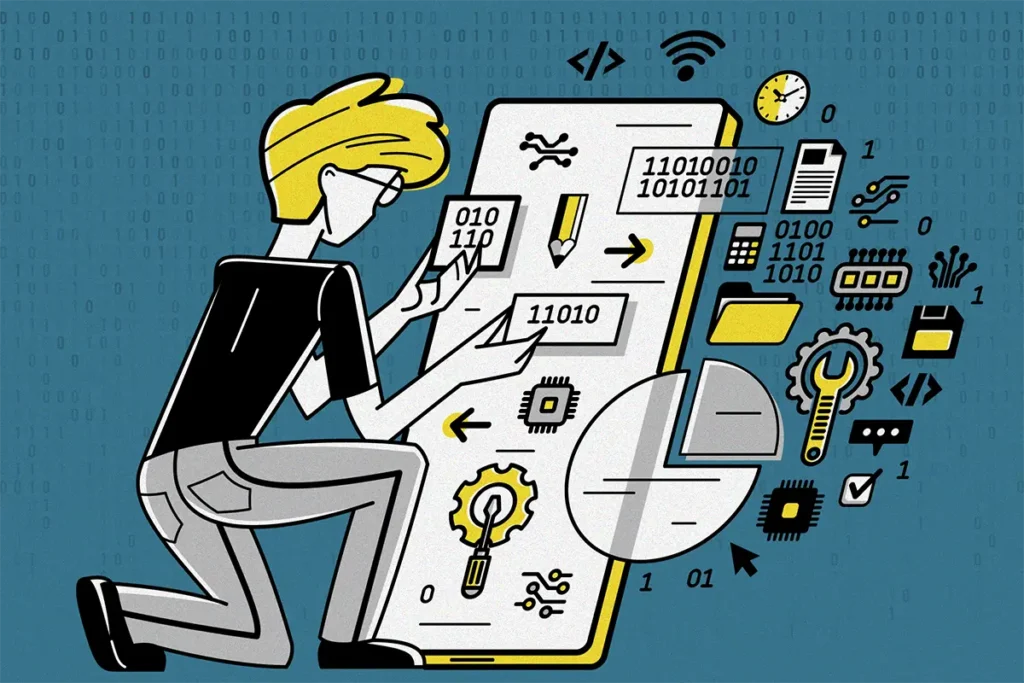
You open your phone and see an ad. A few minutes later, you see it again in a slightly different format. Later that day, another version of the same message shows up on a different platform. You understand why it is happening, but it still creates a mental load.
Younger audiences feel that weight. They are not confused by digital targeting; they are simply aware of it every second they are online. Traditional media changes the mental setting. It appears once, in its place, at its scale, and then leaves the rest of the day alone.
That sense of breathing room changes how people receive the message.
A Quick Look at How Mixed Media Builds Trust

Traditional placements across the city kept the season top of mind. You would see a board on your drive, hear a mention during a game recap, notice a poster in a venue. Then, once someone was already familiar with the season, digital stepped in with targeted reminders and ticket-focused messaging. The digital felt more relevant because the traditional had already made the campaign feel established.
Trust was built in public view. Precision happened online. The two supported each other naturally.
Brands, You Should Pay Attention

Younger audiences are gravitating toward whatever feels intentional. That might be a billboard. It might be a print piece. It might be a live read from someone they trust. None of these channels need to work harder than digital; they just need to exist on their own terms.
Brands that diversify their media presence create more signals of credibility. Brands that stay entirely inside digital spaces risk blending into the noise.
This shift is already happening. The question is whether brands choose to participate while there is still room to stand out.
Bring Your Brand Back Into the Real World
If your brand is feeling the effects of digital fatigue, now is the moment to reintroduce real-world presence. Traditional media is not a step backward. It is a strategic advantage in a crowded digital landscape.
Ready to build a campaign that feels intentional, trustworthy, and impossible to scroll past?
Let’s talk about how a balanced media plan can help your next launch stand out in the places your audience actually pays attention.