
Global trade conditions continue to influence how manufacturers operate, plan, and communicate. Policy changes, supply chain exposure, and cost variability remain active factors in day-to-day decision-making. While operations teams have adapted to this environment, marketing strategy often lags behind operational reality.
Trade conditions shape positioning, differentiation, and value communication. Manufacturers that align marketing with how their business actually functions today are better equipped to maintain relevance and credibility.
Re-Evaluating the Value Proposition
Shifts in sourcing, production, and logistics have altered cost structures across manufacturing sectors. Global production can introduce volatility alongside scale, while domestic and regional manufacturing can offer greater predictability and control.
Value propositions that emphasize pricing alone are less effective in this environment. Buyers respond to messaging that reflects operational reliability, product quality, delivery consistency, and responsiveness. Updating value propositions to reflect these priorities supports clearer alignment with customer needs.
Interpreting “Made in America” for Today’s Buyers
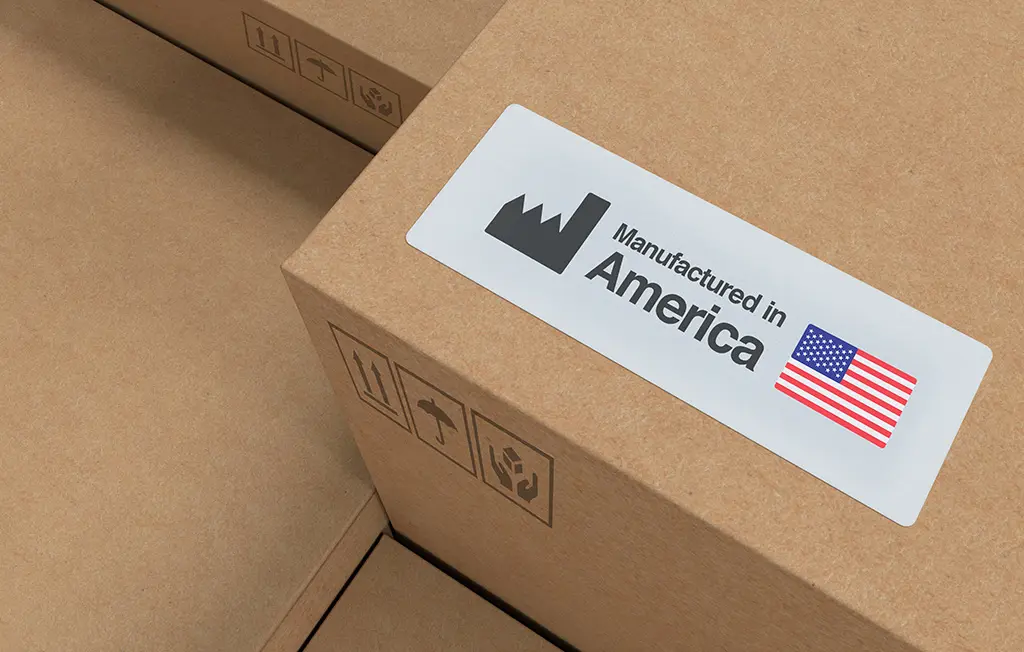
Domestic production continues to attract attention, but its value depends on how clearly it connects to operational outcomes. Buyers evaluate production location based on its impact on performance and risk management.
Common considerations include:
- Lead time reliability
- Quality oversight
- Communication efficiency
- Supply chain continuity
When these factors are clearly explained, production location becomes part of a broader operational narrative.
Transparency as a Trust Driver

Supply chain visibility has become a meaningful factor in supplier selection. Buyers benefit from understanding how sourcing works, how risks are managed, and how disruptions are addressed.
Manufacturers that share operational detail, contingency planning, and sourcing context support informed decision-making and long-term confidence.
Competitive Conditions in a Shifting Market
Ongoing trade dynamics continue to affect competitive positioning. Some organizations have adjusted quickly. Others remain constrained by legacy structures or delayed responses. Market entry conditions have also changed in certain sectors.
Regular evaluation of the competitive landscape helps manufacturers identify where expertise, service capability, and operational readiness create advantage.
Time-Sensitive Decision Making
Trade-related considerations often introduce defined timelines into purchasing and planning decisions. Pricing changes, sourcing adjustments, and regulatory requirements influence contract terms and production planning.
Clear communication around timing and implications supports more effective customer planning and decision-making.
Translating Trade Complexity
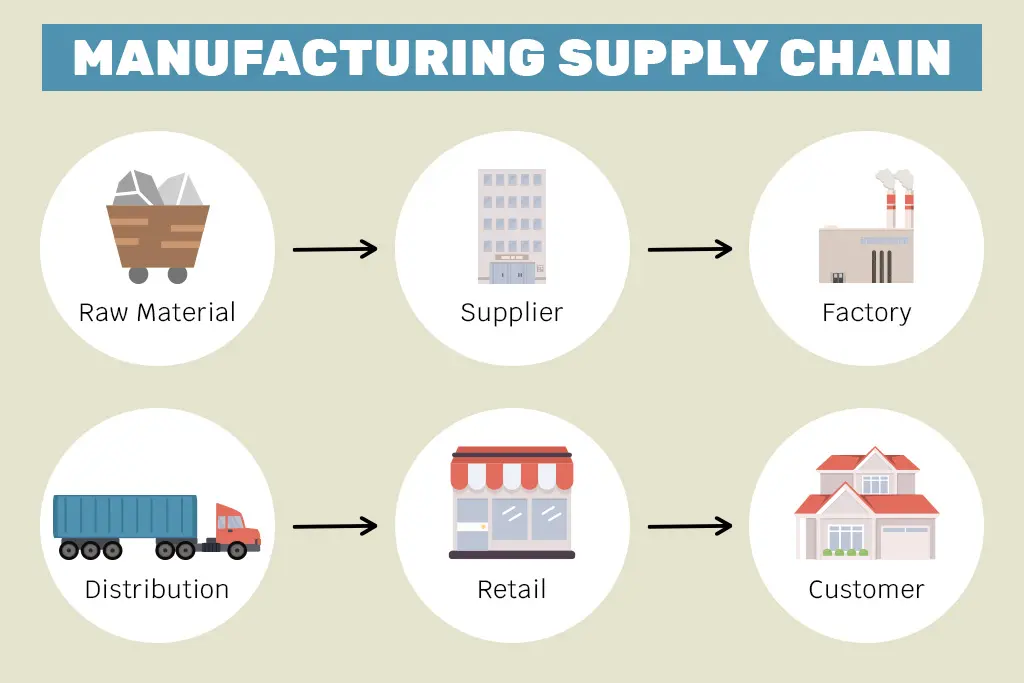
Trade policy and global sourcing considerations remain complex. Buyers benefit from clear explanations of how changes affect operations, costs, and availability.
Relevant content includes:
- Policy developments tied to operational impact
- Supply chain considerations presented for business leaders
- Planning insights that support forecasting and continuity
Manufacturers that provide this context support stronger customer relationships.
Digital Engagement as Standard Practice
Digital interaction plays a central role in manufacturing relationships. Virtual plant tours, remote training, online demonstrations, and collaborative tools are now common components of sales and service processes.
Consistency and quality in these interactions reinforce operational credibility.
Demonstrating Operational Strength

Claims related to resilience and stability are most effective when supported by evidence. Buyers look for:
- Established supplier networks
- Workforce flexibility and training depth
- Financial documentation
- Historical examples of disruption response
Concrete detail supports confidence and credibility.
Long-Term Orientation
Trade volatility remains a structural factor in manufacturing. Planning, messaging, and customer communication benefit from assuming continued change rather than short-term normalization.
Marketing that reflects adaptability, continuity, and operational clarity aligns with how manufacturing organizations function in practice.
Moving Forward
Manufacturers continue to refine how trade conditions are reflected in marketing strategy. Alignment between operations, messaging, and customer communication supports sustained relevance.
Organizations that approach trade considerations as part of ongoing strategy rather than episodic disruption are better positioned to build durable customer relationships.