
Something in the workplace shifted, and most of us are still acting like hyperspeed productivity is normal. Timelines collapsed. Expectations escalated. Everyone is trying to meet deadlines that used to be labeled unrealistic.
The usual advice shows up on cue. Optimize. Automate. Streamline. But when you have optimized everything and the pressure still climbs, the problem is no longer your workflow. It is the environment around you. At that point burnout stops being a possibility and starts becoming a pattern. Despite all the talk about efficiency, the work often becomes less thoughtful, less original, and strangely, less efficient overall.
The Acceleration Trap
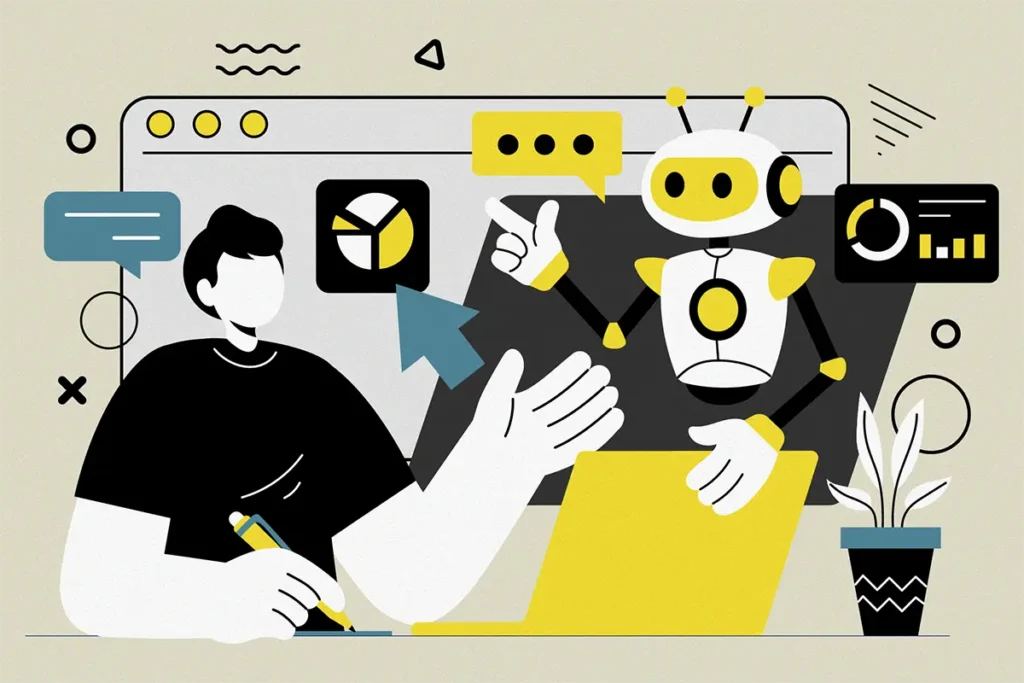
Technology made individual tasks faster. That should have helped. Instead, it raised the bar for what counts as normal.
You see it everywhere:
- Timelines shrink as soon as processes get easier
- Everything becomes urgent
- Good work is expected to happen instantly
- A two day turnaround becomes the baseline
Client expectations shifted too. Consumer technology has conditioned everyone to expect instant everything. Same day delivery. On demand content. Immediate responses. Without realizing it, clients bring those expectations into creative work. This means faster asks, shorter timelines, and less space for exploration or strategy.
The challenge is clear. Creative and strategic thinking does not scale like software. You cannot throw more hours or more tools at a brand problem and expect quality to appear instantly. Some work still needs time to develop properly.
In the acceleration trap, we lose pacing. Not everything benefits from moving fast. Creativity, problem solving, and strategy all require space that the modern workflow rarely allows.
The AI Band-Aid
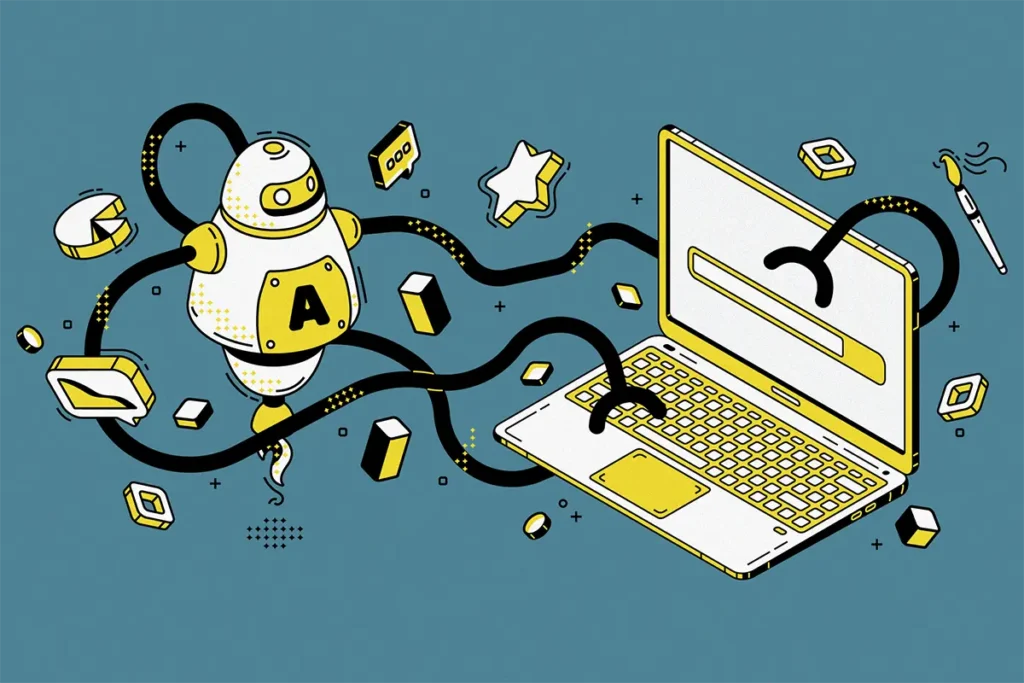
AI absolutely makes work faster. Drafts generate in seconds. Research takes minutes. Designs appear instantly. In theory, this should create breathing room.
In reality, it usually creates more work.
Once a task becomes easier to produce, the expectation quietly shifts from doing it well to doing more of it. The time saved is quickly filled with new tasks, extra versions, or tighter deadlines.
A few things stay true:
- AI handles the early steps, but the remaining work still requires human judgment and refinement
- Faster output often leads to higher volume, not less pressure
- Relying heavily on AI can compress the human nuance that gives ideas personality
Efficiency becomes expectation. Expectation becomes pressure. Pressure becomes dependency. And the tools that were meant to support us begin to shape how fast we are expected to work. Oh it’s a vicious cycle, isn’t it?
The Therapy Economy
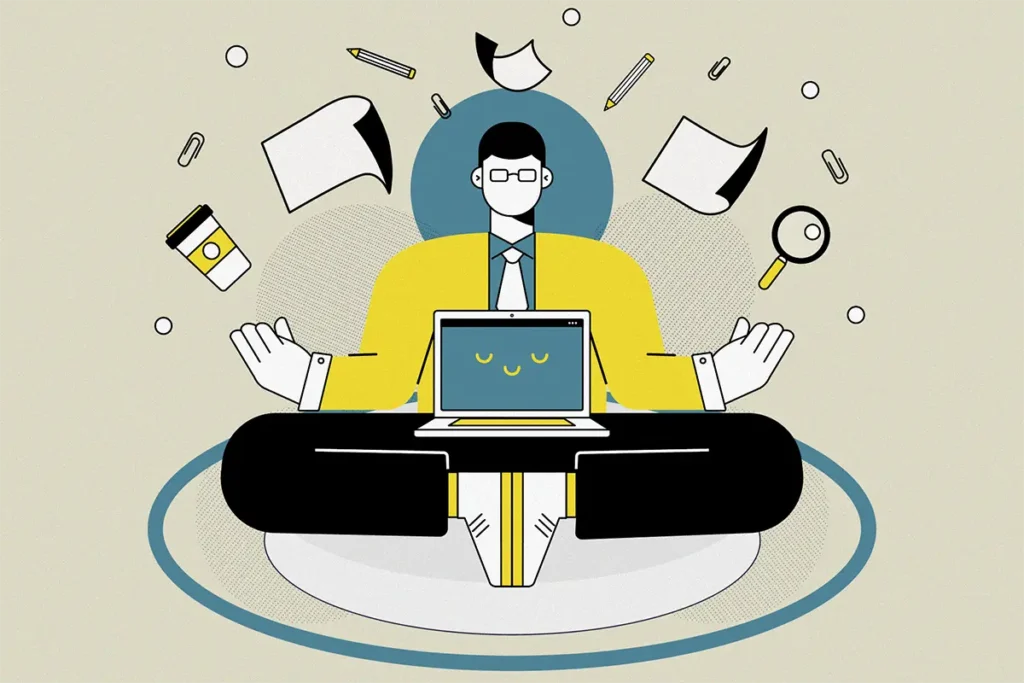
Hyper-efficiency rose at the same time therapy, wellness apps, and mental health programs went mainstream. That overlap is not random.
Companies offer meditation apps while workloads continue to intensify. Wellness resources can be helpful, but they do not fix the conditions that create the stress in the first place.
When an entire workforce needs coping mechanisms just to make it through a typical week, something larger is off.
The Creativity Casualty
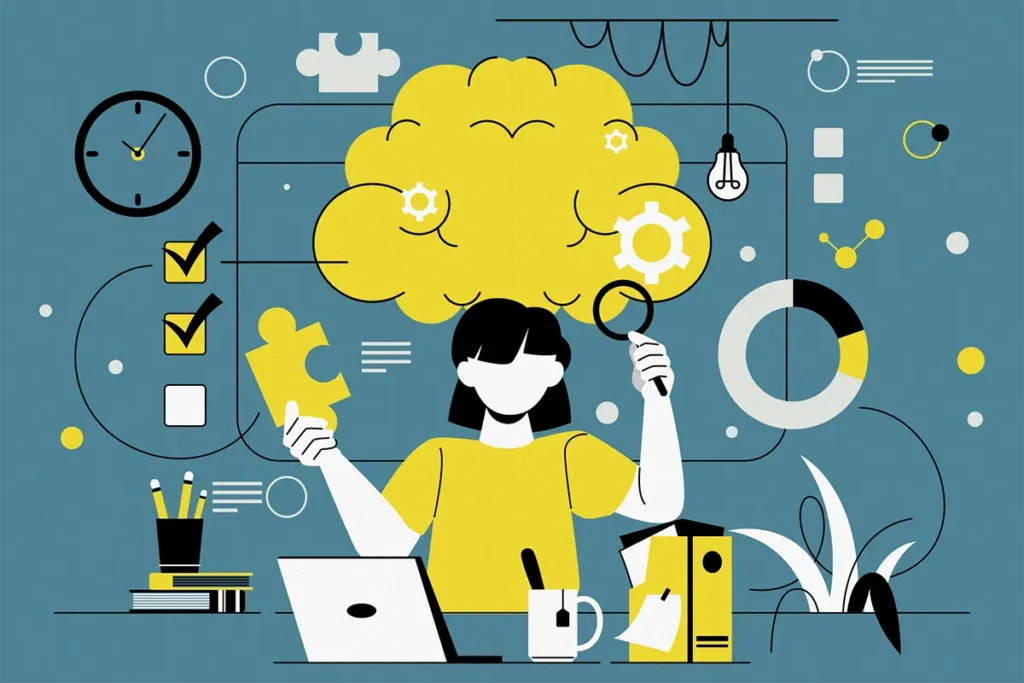
When every project is urgent, true creativity becomes the first thing that disappears. Original ideas need time. Strategic thinking needs reflection. Even simple problem solving works better when it is not rushed.
The constant pressure to move quickly turns creative work into a narrow, transactional process. Ironically, taking time often leads to better decisions. Space improves quality. Quality reduces rework. Rework slows everything down. It is all connected.
The Sustainability Question
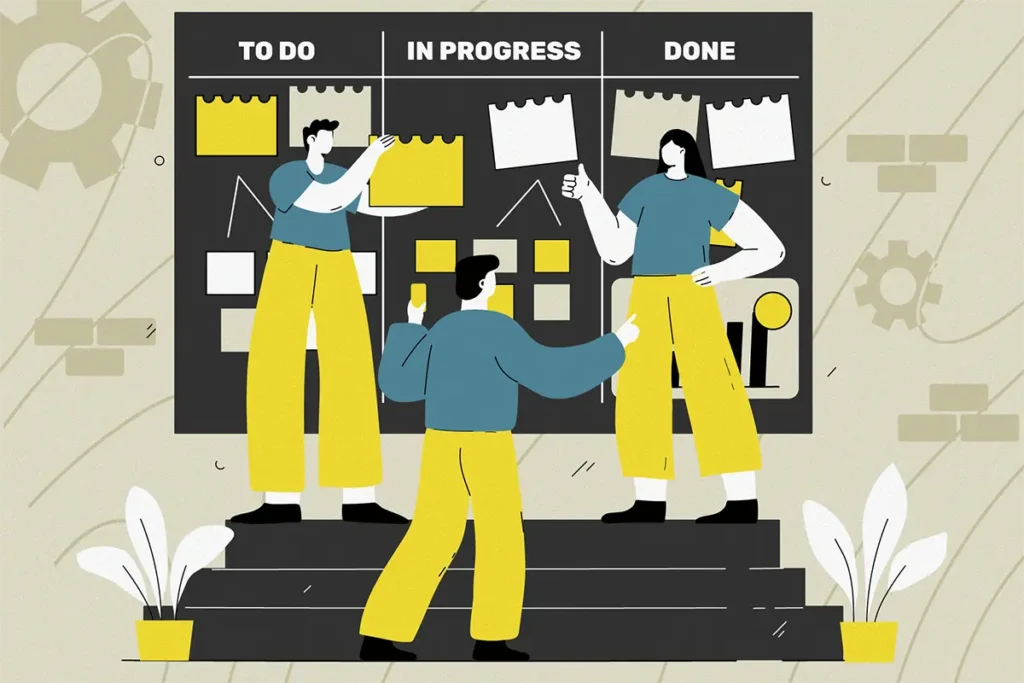
We are essentially sprinting through a marathon. Some organizations are beginning to question this pace, and the ones that do are already seeing benefits.
They are:
- Setting realistic timelines
- Pushing back when expectations are unreasonable
- Prioritizing wellbeing over constant urgency
These companies are not falling behind. They are performing better because they are not burning out their teams or diluting their work in the name of speed.
Setting Boundaries in a Boundaryless Workplace
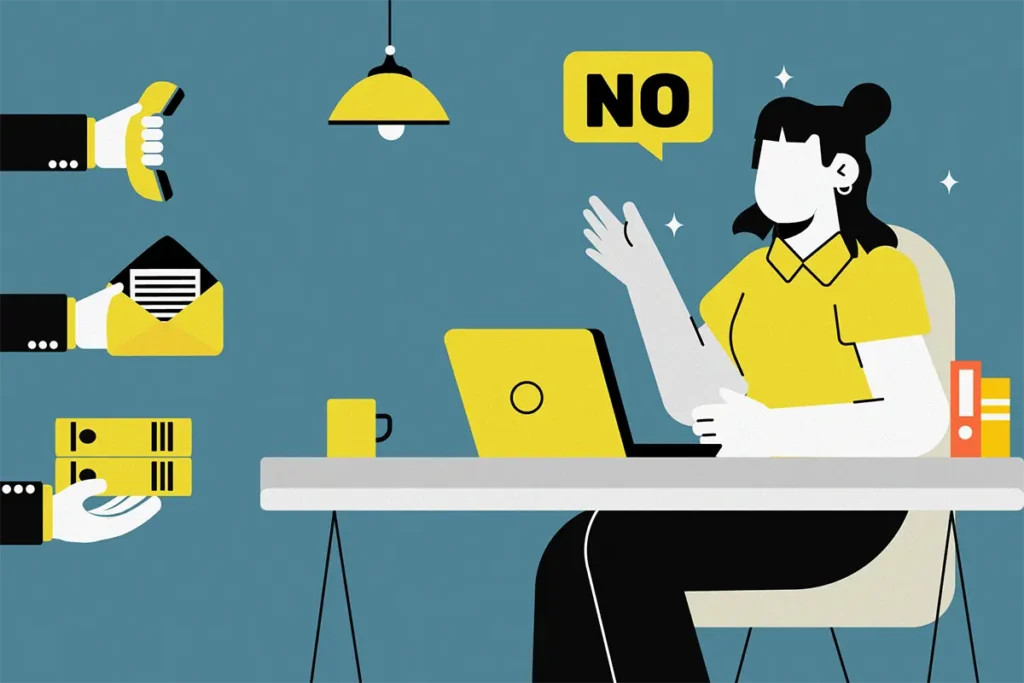
The solution is not to reject efficiency tools or ignore client needs. It is to set boundaries that make the work sustainable.
This includes:
- Honest conversations about timelines
- Educating clients about the value of thoughtful work
- Building buffer time into projects
- Saying no when necessary
None of this is unprofessional. It is how strong work gets made without sacrificing the people doing it.
The Reset
It might be time to rethink the pace. Not to slow everything down, but to be intentional about what truly requires speed and what truly requires time.
The organizations that find this balance will stand out. They will attract better talent, build deeper client trust, and produce work that actually makes an impact. The goal is not to avoid efficiency. The goal is to create long term, human centered productivity that does not require recovery afterward.
Finding a Sustainable Pace
The pressure to do more and to do it faster will always exist. Your response does not have to follow the pattern.
At Absolute Studios, we help teams build marketing strategies that work with real timelines, real expectations, and real people. Great work is not just fast. It is sustainable.
If you want support creating marketing that does not burn out your team, we would love to talk about what a healthier pace can look like.