

Let’s address the elephant in the room: agriculture isn’t exactly known for its Instagram-worthy moments. While tech startups are posting sleek product demos and fashion brands are dropping aesthetic flat lays, ag businesses are wondering how to make a combine or sugar beet look compelling at 9 AM on a Tuesday.
The people doing the actual work – feeding communities, managing thousands of acres, keeping equipment running in all weather – know their work matters. The problem is that most social media advice comes from consultants who’ve never worked a harvest season. Agricultural businesses don’t need to manufacture excitement about what they do. They need to show the reality of work that actually sustains people.
Why Agriculture Social Media Feels Different
Most ag businesses struggle with social media because they don’t know what story they’re supposed to tell. What value does following an agricultural business actually provide?
Your customers, whether they’re farmers, distributors, or end consumers, want to see the real story behind their food, equipment, or services. They’re not scrolling for entertainment as much as they are for information, community, and trust-building. Your social media provides a rare peek behind the curtain of an industry that’s usually hidden from view.
What Your Audience Actually Wants to See
Behind-the-Scenes Content
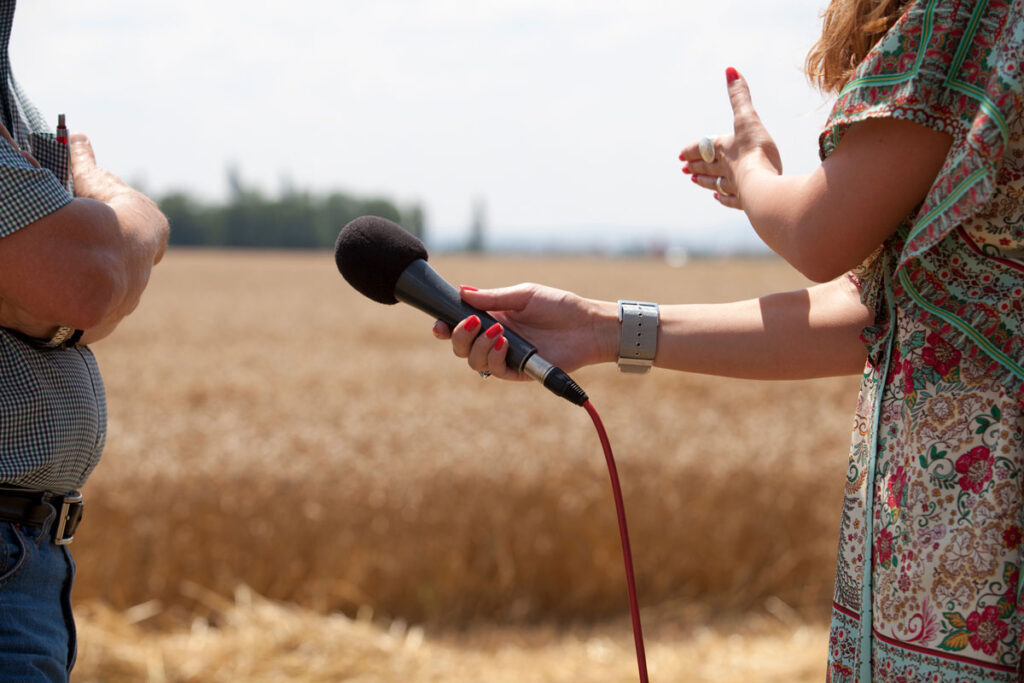
People are genuinely curious about how food gets from farm to table. Show your processes, introduce your team, and document the day-to-day reality of your operation. This doesn’t need to be produced content. Some of the most engaging ag posts are simple videos of equipment in action or workers explaining their daily tasks.
Educational Content
Your expertise is your biggest asset. Share knowledge about best practices, seasonal tips, equipment maintenance, or industry trends. Position yourself as a resource, not just a vendor.
Problem-Solving Content
Address common pain points your customers face. Whether it’s equipment troubleshooting, crop management tips, or market insights, content that helps your audience do their job better will always perform well.
Community Stories
Highlight your customers, local partnerships, and community involvement. Agriculture is inherently community-driven, so showcasing these connections builds credibility and relatability.
Unique Selling Point
Highlight what makes your business different from competitors. Whether it’s your innovative approach, exceptional service, family heritage, or specialized expertise, make sure your audience understands why they should choose you over alternatives.
Your Product in Action
Don’t just show your product sitting in a warehouse. Instead, show it solving real problems in real conditions. This builds confidence and helps potential customers visualize themselves using your solutions.

Platform-Specific Strategies
Facebook: The Community Hub
Facebook remains the most important platform for agriculture businesses. Your audience is active here, and the platform’s features align perfectly with ag marketing needs. Facebook has a strong demographic of blue-collar workers who make up much of the agriculture industry.
Content That Works:
- Farm tours and facility walkthroughs
- Equipment demonstrations and maintenance tips
- Weather updates and seasonal advice
- Customer spotlights and testimonials
- Community event announcements
Post 3-4 times per week with a mix of educational content, behind-the-scenes updates, and community engagement. Use Facebook Groups to build deeper connections around specific topics or geographic areas.
Instagram: Visual Storytelling
Instagram might seem challenging for ag businesses, but it’s perfect for storytelling through imagery. Focus on the visual aspects of your work that people don’t typically see. This platform is especially valuable if your ag business features products and new launches.
Content That Works:
- Time-lapse videos of planting, harvesting, or equipment setup
- Before-and-after shots of field work or facility improvements
- Team photos and employee spotlights
- Close-up shots of products, crops, or equipment details
- Seasonal landscape photos
Aim for 4-5 posts per week, mixing feed posts with Stories. Use Stories for more casual, daily updates and behind-the-scenes content. Don’t overthink the aesthetics. Authenticity beats perfection in agriculture.
LinkedIn: B2B Relationship Building
LinkedIn is particularly valuable for ag businesses selling to other businesses or professionals in the industry.
Content That Works:
- Industry insights and trend analysis
- Company updates and expansion news
- Employee achievements and certifications
- Educational articles about best practices
- Partnership announcements
Post 2-3 times per week with longer-form content that demonstrates thought leadership.
YouTube: Deep-Dive Education
YouTube is excellent for longer-form educational content that showcases your expertise. This is where enthusiasts and professionals go for in-depth research. Plus, YouTube content is more evergreen than other platforms, continuing to drive value long after publication.
Content That Works:
- Equipment reviews and comparisons
- Step-by-step tutorials and how-to guides
- Facility tours and process explanations
- Seasonal planning and preparation videos
- Customer interviews and case studies
Consistency matters more than frequency. Aim for 1-2 videos per month that provide real value to your audience.

Building Long Term Success
The biggest barrier for most ag businesses isn’t lack of interesting content. It’s not recognizing the content opportunities around them every day.
Start with Your Phone
Your smartphone is perfectly capable of creating engaging content. Focus on good lighting (natural light works best), steady shots, and clear audio.
Document, Don’t Create
Instead of trying to “create” content, document what you’re already doing. That equipment maintenance you’re performing? Film it. The conversation you’re having with a customer about best practices? Turn it into a post.
Batch Content Creation
Set aside time weekly to create multiple pieces of content at once. When you’re in the field or workshop, take several photos and videos that you can post throughout the week.
User-Generated Content
Encourage customers to share their experiences with your products or services. Repost their content (with permission) and add your own commentary.
Consistency Over Perfection
Regular posting with authentic content beats occasional polished posts. Your audience values reliability and genuine connection over production value.
Community Engagement
Respond to comments, participate in industry discussions, and share relevant content from others in your network. Social media is social, so don’t just broadcast.
Authenticity Always Wins
Don’t try to be something you’re not. Your audience can tell when content feels forced or inauthentic. Share your genuine expertise, show your real processes, and let your personality come through.
Content Calendar Ideas
Weekly Content Themes:
- Monday: Week ahead planning
- Tuesday: Educational content/tips
- Wednesday: Behind-the-scenes/process content
- Thursday: Customer spotlights/testimonials
- Friday: Weekend prep/lighter content
Seasonal Content Opportunities:
- Spring: Planting, equipment prep, weather updates
- Summer: Growth progress, maintenance tips, team spotlights
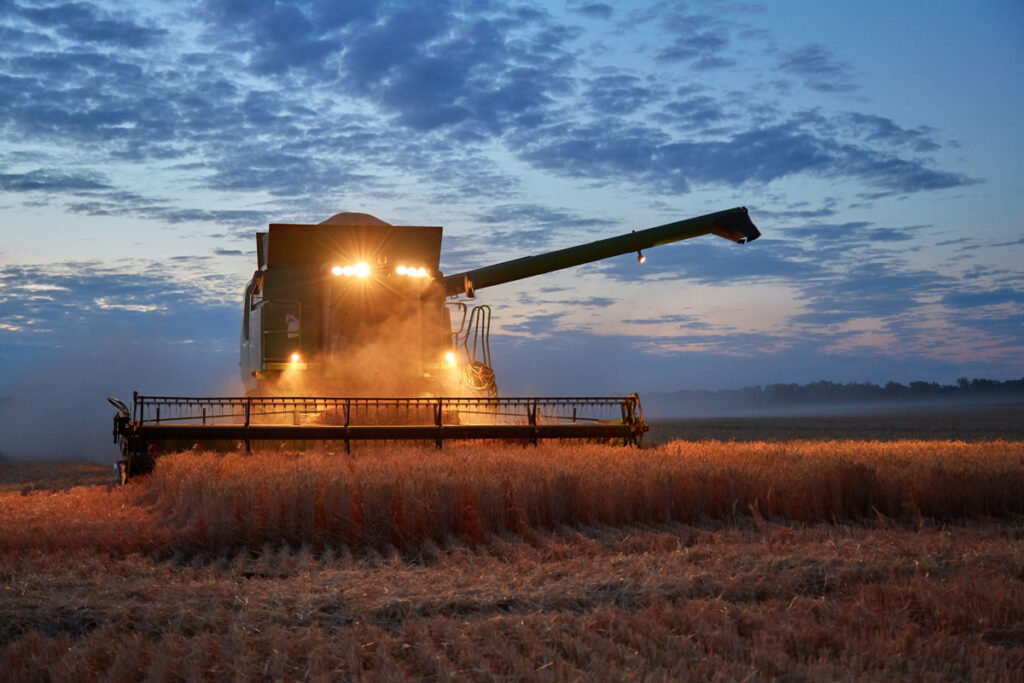
- Fall: Harvest content, results sharing, preparation for winter
- Winter: Planning for next year, equipment maintenance, educational content
Measuring Success
Agriculture social media success looks different from other industries. Your metrics should align with your business goals and audience behavior.
Focus on engagement rate, website traffic from social media, lead generation, community growth, and brand awareness in your local market. Use free tools like Facebook Insights, Instagram Analytics, and Google Analytics to track performance trends over time.
Take Your Agricultural Business Social Media to the Next Level
Building a successful social media presence for your agriculture business takes time, strategy, and consistent effort. If you’re ready to connect with your community and grow your business but don’t have the bandwidth to manage it all yourself, we can help you with your social media strategy.
Fill out our social media questionnaire to give us more details on what you’re looking for!